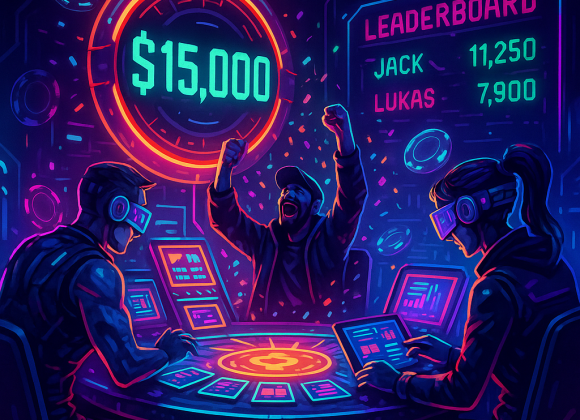
You’re scrolling through your feed when a friend’s post catches your eye: another cryptocurrency win, another sports betting success. An influencer shares a screenshot of massive returns. Suddenly, that conservative investment strategy feels inadequate. The impulse to take similar risks surges—despite knowing better. This isn’t coincidence. Social media platforms are engineered to exploit the same psychological vulnerabilities that drive gambling addiction, fundamentally altering how your brain assesses risk through neurological triggers, cognitive biases, and social dynamics. This article reveals the specific mechanisms platforms use to hijack your decision-making and provides science-backed strategies to protect yourself. You’ll understand not just how social media influences risky choices, but why your brain becomes vulnerable—and what you can do about it.
The Neuroscience of Social Media and Risk: Dopamine by Design
Every time you refresh your social media feed, your brain experiences a neurochemical event remarkably similar to pulling a slot machine lever. This isn’t coincidental. Platform engineers have deliberately designed digital environments that exploit the same reward pathways that make gambling so compelling, creating what neuroscientists now recognize as a perfect storm for compulsive behavior and impaired risk assessment.
Variable Reward Schedules: The Slot Machine in Your Pocket
The psychological mechanism driving both social media addiction and gambling dependency operates on an identical principle: variable ratio reinforcement. When you check your phone, you never know what you’ll find. Sometimes it’s a flood of notifications and likes. Other times, nothing. This unpredictability triggers more dopamine release than a predictable reward would, because the brain’s reward system responds most powerfully to uncertainty.
B.F. Skinner demonstrated this phenomenon decades ago with pigeons, showing that animals work hardest when rewards arrive unpredictably. Slot machines capitalized on this finding. Social media platforms perfected it. Each scroll delivers a random assortment of content—some engaging, some mundane—keeping users in a state of perpetual anticipation. The notification dot, the pull-to-refresh gesture, the autoplay video queue: all these features maintain the variable reward cycle that neuroscience research confirms activates the same dopaminergic pathways involved in substance addiction.
Brain Reward Centers: Why Likes Feel Like Winning
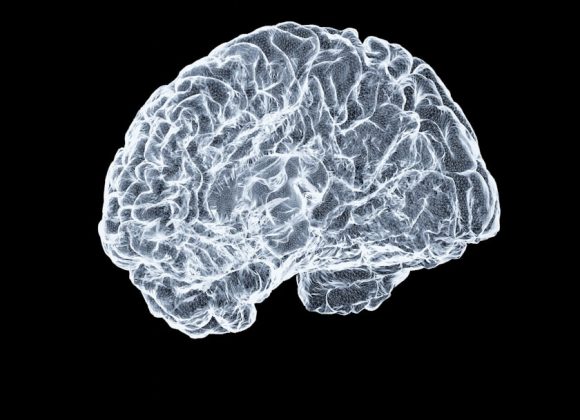
Functional MRI studies reveal that social media engagement lights up the nucleus accumbens, the brain’s primary reward center, with the same intensity as monetary gains or addictive drugs. When research participants viewed their own photos receiving likes, brain scans showed activation patterns indistinguishable from those observed when gamblers win money or when individuals with substance use disorders receive their drug of choice.
This neural hijacking extends beyond simple pleasure responses. Gamification features like Snapchat streaks, Instagram follower counts, and LinkedIn endorsements create psychological investment patterns that mirror gambling escalation. Users develop what behavioral psychologists call “sunk cost fallacy” around these metrics, continuing engagement to protect accumulated digital capital. A 217-day Snapchat streak becomes something worth preserving at considerable time cost, much like a gambler who continues playing to recoup losses. These artificial milestones transform casual usage into compulsive behavior, priming the brain for risk-taking in other domains by normalizing reward-seeking patterns that bypass rational cost-benefit analysis.
FOMO and the Fear-Driven Decision Engine
When scrolling through social media reveals yet another acquaintance posting about their cryptocurrency windfall or sports betting success, the brain doesn’t process this information rationally. Instead, it triggers a cascade of neurochemical responses that fundamentally alter how we assess risk and opportunity.
The Neural Trigger of Missing Out
Fear of Missing Out activates the same neural pathways responsible for impulsive risk-taking behavior. Brain imaging studies reveal that FOMO engages the amygdala and nucleus accumbens—regions associated with emotional processing and reward anticipation—while simultaneously suppressing activity in the prefrontal cortex, which governs rational decision-making. This neurological pattern mirrors what occurs during gambling episodes, where the promise of potential reward overrides logical probability assessment.
The mechanism operates through dopamine release, the same neurotransmitter involved in addiction pathways. Each notification, each glimpse of someone else’s success story, creates a small dopamine spike that reinforces checking behavior and primes the brain for impulsive action. This biological response explains why people make hasty financial decisions after spending time on social platforms—their decision-making apparatus has been biochemically compromised.
Curated Success: When Everyone Else Seems to Be Winning
Social comparison theory illuminates why digital environments prove particularly dangerous for risk assessment. Platforms showcase curated highlight reels: the lottery winner, the day trader’s profitable screenshot, the jackpot celebration. What remains invisible are the thousands of losses, the failed trades, the unreported financial damage.
Research demonstrates that exposure to these success stories causes users to overestimate positive outcome probability by an average of 35%. The availability heuristic—our tendency to judge likelihood based on how easily examples come to mind—becomes weaponized in algorithmically-sorted feeds. When wins appear frequently in your scroll, rare events begin to feel common. A lottery jackpot shared 10,000 times creates more mental availability than the millions of losing tickets that generate no content whatsoever.
Cognitive Biases Amplified: How Social Media Warps Probability
Social media doesn’t just expose existing cognitive biases—it systematically amplifies them. The result is a distorted probability landscape where users overestimate the likelihood of positive outcomes by an average of 35% when exposed to success stories in their feeds. This distortion isn’t accidental—it’s the predictable result of how platforms magnify specific biases that already compromise our judgment about risk and probability.
The Availability Trap: Viral Wins and Invisible Losses
The availability heuristic causes us to judge probability based on how easily examples come to mind. Social media supercharges this bias by flooding feeds with viral success stories while losses remain invisible. When a teenager turns $1,000 into $100,000 trading cryptocurrency, the story spreads to millions. The thousands who lost their savings attempting the same strategy never trend.
This creates a systematic probability distortion. Research on social comparison theory shows that viewing curated success stories fundamentally warps our assessment of achievability. Rare outcomes—lottery wins, explosive investment returns, gambling jackpots—appear common because they dominate our information diet. The mathematical reality becomes obscured:
- A viral cryptocurrency success story might reach 10 million users
- The actual success rate for similar trades may be less than 1%
- Losses rarely generate shareable content, remaining statistically invisible
- Users then base risk assessments on a completely unrepresentative sample
The GameStop and AMC meme stock phenomena demonstrated this perfectly. Social media amplified stories of retail investors making substantial returns while minimizing or ignoring those who bought at peaks and suffered significant losses. The visibility gap created false confidence in strategies that, for most participants, resulted in financial harm.
Echo Chambers: When Algorithms Reinforce Risk
Platform algorithms don’t show us reality—they show us engagement. Users interested in high-risk investments or gambling get fed increasingly extreme content through recommendation systems. This creates echo chambers where confirmation bias flourishes unchecked.
Someone researching sports betting begins seeing exclusively positive betting content. The algorithm interprets interest as preference, filtering out cautionary information, regulatory warnings, and loss stories. The user receives constant reinforcement that their risky behavior is normal, successful, and widely practiced. Data shows that 70% of problem gamblers report social media exposure to gambling content influenced their betting behavior, with algorithmic filtering playing a central role in normalizing escalating risk-taking.
The Influencer Effect: Hidden Sponsorships and Manufactured Success
When a popular gaming streamer posts a screenshot of a $50,000 casino win, followers rarely see the undisclosed sponsorship agreement that provided the initial bankroll—or the dozens of losing sessions never shared. This asymmetry fundamentally warps how audiences assess probability and risk.
Research indicates that 48% of young adults make financial decisions based on influencer recommendations, yet the psychological mechanisms behind this trust remain poorly understood by most consumers. Social comparison theory explains the underlying vulnerability: when viewers encounter curated success narratives, their brains process these rare outcomes as more representative than they actually are. The constant stream of wins, profitable trades, or jackpot celebrations creates a distorted baseline for what constitutes normal results.
The availability heuristic compounds this distortion. When influencers repeatedly showcase positive outcomes while algorithmic feeds suppress mundane or negative results, viewers overestimate the probability of success by an average of 35%. A single viral video of someone winning big carries more psychological weight than statistical tables showing actual odds, because the brain prioritizes vivid, emotionally resonant information over abstract probabilities.
Undisclosed sponsorships magnify these cognitive distortions. When gambling operators or high-risk investment platforms compensate influencers without clear disclosure, followers interpret manufactured success as organic achievement. The influencer appears to be sharing genuine personal experience rather than paid promotion, triggering trust mechanisms that bypass critical evaluation. This creates what behavioral economists call “false consensus effect”—the assumption that if someone we perceive as similar to us succeeds, we will likely succeed too, regardless of underlying probability distributions or structural advantages the influencer possesses but doesn’t reveal.
Immediacy and Impulsivity: The Social Media-Gambling Connection
Research reveals a troubling correlation: 70% of individuals with problem gambling behaviors report that social media exposure directly influenced their betting decisions. This connection isn’t coincidental. Social media platforms engineer immediacy through design features that mirror the psychological mechanisms underlying gambling addiction—variable reward schedules, instant gratification loops, and persistent accessibility that dissolves traditional barriers between impulse and action.
The relationship between digital exposure and risk-taking behavior operates through multiple reinforcing pathways. When users scroll through feeds showcasing curated success stories—whether jackpot wins, cryptocurrency gains, or sports betting triumphs—they experience cognitive distortions amplified by social comparison theory. These platforms make rare positive outcomes appear commonplace, fundamentally warping probability assessments. The availability heuristic, a mental shortcut where people judge likelihood based on how easily examples come to mind, becomes particularly dangerous when viral stories of financial windfalls dominate feeds. Users overestimate positive outcome probabilities by an average of 35% after exposure to success narratives in their social media environments.
The Notification Trap: Push Alerts and Impulsive Betting
Push notifications function as digital tripwires, hijacking attention and lowering cognitive defenses against impulsive decisions. Users receiving gambling-related notifications through social media channels are 3.5 times more likely to place unplanned bets compared to those without such alerts. These interruptions exploit the brain’s orientation response—an evolutionary mechanism that prioritizes new information as potentially important for survival.
The timing of these notifications isn’t random. Operators deploy sophisticated behavioral targeting, sending alerts during vulnerability windows: late evenings, weekends, or immediately following sporting events. This calculated approach capitalizes on decision fatigue and reduced self-control, transforming casual interest into immediate action.
Heavy Usage Patterns and Financial Risk
Young adults spending three or more hours daily on social media platforms demonstrate significantly elevated rates of impulsive financial decision-making. This correlation reflects both cumulative exposure effects and the neurological impact of sustained platform engagement. Extended social media use depletes cognitive resources required for deliberate financial planning while simultaneously normalizing risk-taking through repeated exposure to gambling content and influencer promotions—many undisclosed as sponsored material.
The online disinhibition effect compounds these vulnerabilities. Digital environments create psychological distance from real-world consequences, while perceived anonymity reduces social accountability that might otherwise constrain reckless behavior. Users make financial commitments online they would hesitate to make face-to-face, treating digital transactions as less “real” despite identical monetary stakes.
Protecting Yourself: Evidence-Based Strategies to Reclaim Decision Control
Research shows that users who receive gambling-related notifications on social media are 3.5 times more likely to place impulsive bets. Breaking this cycle requires deliberate intervention in how you interact with digital platforms. The following strategies are grounded in behavioral psychology research and designed to reduce social media’s influence on your risk-taking decisions.
Immediate Actions to Reduce Exposure
- Disable all gambling and financial product notifications. This includes push notifications, email alerts, and in-app messages from betting platforms, trading apps, and promotional accounts. Notifications exploit variable reward schedules that trigger dopamine release similar to slot machines.
- Curate your feed aggressively. Unfollow accounts that regularly post success narratives about gambling wins, crypto gains, or other high-risk financial outcomes. These curated stories distort your probability assessments by making rare outcomes appear commonplace. Users exposed to success stories overestimate positive outcomes by an average of 35%.
- Install browser extensions or use built-in features to block gambling-related content. Many platforms offer keyword filtering and content restriction tools that prevent promotional material from appearing in your feeds.
- Set strict time limits on social media usage, particularly before making financial decisions. Research indicates that immediate exposure to social content significantly impairs risk assessment. Implement a minimum 24-hour cooling-off period between viewing social media and making any financial commitment.
- Verify sponsorship disclosures on every piece of influencer content. Assume promotional intent unless proven otherwise. Many influencers promoting gambling or high-risk investments fail to disclose paid partnerships, creating false impressions of organic success.
- Practice the “three-source rule” to counter availability heuristic. Before accepting any success story as representative, actively seek out three independent statistical sources about actual probability and typical outcomes. This cognitive debiasing technique forces your brain to engage analytical thinking rather than relying on memorable viral stories.
Conclusion: Reclaiming Rational Decision-Making in the Digital Age
Social media platforms are engineered to exploit the same psychological vulnerabilities as gambling systems—variable reward schedules, dopamine manipulation, and cognitive bias amplification. The curated success narratives flooding your feed aren’t representative of reality; they’re algorithmically selected to maximize engagement by triggering FOMO, distorting probability assessments, and bypassing rational decision-making processes. Understanding these mechanisms is your first line of defense.
Risk-taking decisions should be based on objective probability and verified data, not on viral wins or influencer promotions. The 35% overestimation of positive outcomes that occurs after social media exposure isn’t a minor miscalculation—it’s a systematic distortion that can lead to significant financial harm. You now possess the knowledge to recognize when platforms are manipulating your perception and the tools to protect yourself.
Before making any financial decision, ask three critical questions: What is the actual statistical probability of success? Who benefits from my participation? Am I acting on verified information or curated narratives? Question the source, verify the probability, and never let algorithms dictate your financial choices. Your awareness is the most powerful tool against digital manipulation.