Gambling disorder, formally classified in the DSM-5 as a behavioral addiction, affects approximately 1-3% of the adult population—roughly 2-6 million Americans. Unlike recreational gambling, this clinical condition involves persistent and recurrent problematic gambling behavior that leads to significant impairment or distress. What makes gambling addiction particularly insidious is that it produces neurological changes comparable to cocaine or alcohol dependence, despite involving no substance intake. Why do people continue gambling despite knowing the odds are stacked against them? The answer lies not in logic, but in the brain’s reward circuitry, systematic cognitive distortions, and powerful behavioral conditioning. This article examines the psychological and neurological mechanisms that transform casual gambling into compulsive behavior—not to provide gambling strategies, but to illuminate the science of addiction itself.
The Neuroscience of Gambling: Dopamine and the Brain’s Reward System
When a gambler places a bet, their brain undergoes remarkable chemical changes that mirror the neurological patterns of substance addiction. The biological foundation of gambling addiction lies in the brain’s dopamine system, a network designed to reinforce behaviors essential for survival that becomes hijacked by the unpredictable nature of gambling.
How Dopamine Creates the ‘High’
Dopamine, often mischaracterized as a “pleasure chemical,” functions primarily as a learning signal that reinforces behaviors the brain perceives as beneficial. During gambling, the anticipation of a potential win floods the brain’s reward pathways with dopamine, creating heightened arousal and focus. This release occurs not just during wins, but critically, during the anticipation phase before outcomes are revealed. Research shows that this anticipatory dopamine surge can be more powerful than the response to the actual reward itself, explaining why gamblers often describe the thrill of waiting for results as more compelling than winning.
The unpredictability inherent in gambling creates what behavioral scientists call variable ratio reinforcement—the most powerful conditioning schedule known. Unlike predictable rewards, which the brain quickly adapts to, random reinforcement keeps dopamine systems perpetually engaged. Each bet becomes a neurological event, with the brain unable to predict when the next reward will arrive.
Why Near-Misses Keep You Playing
Perhaps the most insidious neurological trick occurs with near-misses—outcomes that come close to winning but ultimately fail. A slot machine showing two cherries when three are needed, or a roulette ball landing one number away from your bet, triggers dopamine release comparable to actual wins. Brain imaging studies reveal that these near-misses activate the same reward circuitry as victories, despite being objective losses. This phenomenon transforms defeats into motivating experiences, encouraging continued play by creating the illusion that success is imminent.
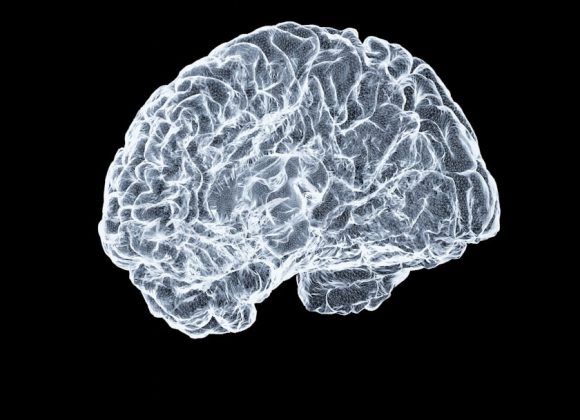
Problem gamblers demonstrate measurable changes in brain structure and function. Reduced activity in the prefrontal cortex—the brain region governing impulse control, planning, and rational decision-making—impairs their ability to stop gambling despite negative consequences. These neurological patterns closely resemble those observed in cocaine and alcohol addiction, supporting gambling disorder’s classification as a behavioral addiction in clinical diagnostic manuals.
Cognitive Distortions That Fuel Compulsive Gambling
The human brain operates on mental shortcuts that serve us well in most situations but become dangerous liabilities in gambling environments. These cognitive distortions—systematic errors in thinking—override rational probability understanding and create false beliefs that sustain compulsive gambling behavior even as losses mount.
The Gambler’s Fallacy
Perhaps the most pervasive cognitive error in gambling is the gambler’s fallacy: the belief that past random events influence the probability of independent future outcomes. A roulette player who witnesses five consecutive black results believes red is “due” and increases their bet accordingly. The statistical reality? Each spin carries identical 47.37% odds for red (in European roulette), regardless of previous outcomes.
This fallacy stems from our brain’s pattern-recognition systems, which evolved to identify meaningful sequences in nature. When applied to genuinely random events, this adaptive mechanism misfires. Research demonstrates that this distortion persists even among individuals who intellectually understand probability theory, revealing how deeply embedded these thinking errors are in human cognition.
Illusion of Control in Active Games
Gambling activities that involve player participation—poker, sports betting, or even choosing lottery numbers—trigger an illusion of control that intensifies addictive behavior. Players dramatically overestimate their ability to influence fundamentally random or probabilistically unfavorable outcomes.
Key manifestations of this distortion include:
- Personal involvement bias: Believing that physically throwing dice or selecting numbers improves odds
- Skill misattribution: Confusing short-term luck with genuine ability in games where chance dominates
- Near-miss interpretation: Treating close losses as validation of strategy rather than random variance
The availability heuristic compounds these errors by making vivid wins psychologically prominent while frequent, smaller losses fade into background noise. A gambler vividly recalls the $500 slot machine payout from three months ago but cannot accurately estimate the $2,000 lost across dozens of unremarkable sessions. This selective memory creates a distorted mental ledger where gambling appears more profitable than reality.
These cognitive distortions function synergistically, creating a psychological framework where continued gambling feels rational despite mounting evidence of harm. Understanding these mechanisms represents the first step toward recognizing problematic patterns in oneself or others.
Behavioral Conditioning: Why Slot Machines Are So Addictive
The flashing lights, celebratory sounds, and anticipation of a slot machine win activate the same psychological mechanisms that B.F. Skinner first documented in his laboratory rats during the 1950s. Skinner discovered that animals pressing levers for food rewards showed dramatically different behaviors depending on when and how those rewards were delivered. The most powerful pattern he identified—variable ratio reinforcement—remains the cornerstone of modern slot machine design.
Variable ratio reinforcement schedules deliver rewards after an unpredictable number of responses. Unlike fixed patterns where every tenth lever press produces a reward, variable schedules might pay out after 5 pulls, then 20, then 3, then 15. This unpredictability creates the strongest behavioral conditioning known to psychology. The gambler never knows which pull will trigger a payout, so each attempt carries the possibility of immediate reward.
Slot machines exploit this principle with surgical precision. Every spin operates independently with predetermined odds, yet the spacing between wins varies constantly. A player might hit three small payouts in quick succession, then endure a drought, then receive a moderate win. This pattern keeps the dopamine system perpetually engaged because the brain cannot predict when the next reward will arrive. Research demonstrates that this uncertainty actually increases dopamine release compared to predictable reward patterns.
The conditioning becomes self-reinforcing. Near-misses—where symbols almost align—trigger dopamine responses similar to actual wins, fooling the brain into perceiving progress. The prefrontal cortex, responsible for rational evaluation, struggles to override these deeply ingrained behavioral patterns. What begins as entertainment becomes a conditioned response loop where the act of playing itself, independent of winning or losing, drives continued engagement.
Loss-Chasing and the Sunk Cost Fallacy
A gambler who has lost $500 at a blackjack table faces a critical decision point. Rather than accepting the loss and walking away, the vast majority double down, convinced that continued play represents their best chance to recover what’s already gone. This pattern, known as loss-chasing, transforms occasional gambling into a destructive spiral and stands as one of the most reliable predictors of gambling disorder severity.
The psychological mechanism driving this behavior is the sunk cost fallacy—the irrational tendency to treat past losses as investments requiring protection rather than costs already incurred. In the gambler’s mind, the $500 isn’t simply gone; it becomes a psychological debt that future wins can somehow repay. This cognitive distortion fundamentally misunderstands probability theory, where each gambling event remains statistically independent regardless of prior outcomes. The roulette wheel has no memory of previous spins, yet the human brain desperately searches for patterns that justify continued play.
Research demonstrates that loss-chasing behavior activates emotional reasoning circuits while simultaneously suppressing activity in the prefrontal cortex, the brain region responsible for logical decision-making. When losses mount, the limbic system triggers stress responses that heighten the urgency to “fix” the situation immediately. This emotional hijacking explains why gamblers make increasingly irrational bets as losses accumulate—the very moment when careful analysis matters most is precisely when cognitive control weakens.
The severity of loss-chasing directly correlates with gambling disorder progression. Problem gamblers don’t chase losses occasionally; they chase them systematically, often exhausting savings accounts, maxing out credit cards, or borrowing money to continue play. Each unsuccessful attempt to recover losses creates a deeper hole, which in turn generates more intense pressure to keep gambling. Breaking this cycle requires recognizing that past losses are irretrievable costs, not investments awaiting redemption.
Risk Factors: Who Is Most Vulnerable to Gambling Addiction?
Approximately 2 million adults in the United States meet the diagnostic criteria for severe gambling disorder, but vulnerability to this condition is far from random. Research reveals distinct biological, psychological, and environmental factors that significantly elevate risk, with some individuals facing substantially higher odds of developing problematic gambling behaviors than others.
Genetic and Biological Vulnerabilities
Twin and family studies demonstrate that genetic factors account for 50-60% of gambling disorder risk, placing heredity on par with many substance use disorders. Individuals with first-degree relatives who have gambling problems face a three to eight times higher risk of developing the disorder themselves. This genetic vulnerability often manifests through differences in dopamine receptor density and neurotransmitter regulation, affecting how intensely the brain responds to gambling-related rewards.
The risk compounds when gambling disorder co-occurs with other mental health conditions. Between 60-80% of individuals with gambling disorder also meet diagnostic criteria for mood disorders, anxiety disorders, or substance use disorders. Depression and gambling disorder share particularly strong comorbidity, with each condition potentially triggering or exacerbating the other. Those with attention-deficit/hyperactivity disorder (ADHD) face elevated risk due to impulsivity and difficulty with delayed gratification.
Several demographic patterns emerge from population studies:
- Men are approximately twice as likely as women to develop gambling disorder, though women tend to progress from casual gambling to problematic behavior more rapidly
- Young adults aged 18-29 show the highest rates of problem gambling
- Individuals who begin gambling before age 17 face significantly elevated lifetime risk
- Those experiencing financial stress or unemployment demonstrate higher vulnerability
The Online Gambling Factor
Online gambling platforms introduce unique risk amplifiers compared to land-based venues. The 24/7 accessibility, ability to gamble in isolation, and rapid pace of digital games all accelerate the progression from recreational to problematic gambling. Research indicates that 23% of people who gamble regularly will develop problems at some point in their lives, with online gamblers showing faster progression rates and higher problem gambling scores than those who exclusively visit physical casinos.
Treatment Approaches: Evidence-Based Recovery Methods
Recovery from gambling disorder relies on structured interventions that target both the neurological patterns driving compulsive behavior and the cognitive distortions that maintain it. Clinical research demonstrates that cognitive-behavioral therapy (CBT) achieves effectiveness rates between 50-60% for gambling disorder, making it the gold standard among psychological interventions.
Cognitive-Behavioral Therapy: Restructuring Thought and Action
CBT for gambling disorder operates on two parallel tracks. First, it identifies and corrects the cognitive distortions that perpetuate gambling behavior—the gambler’s fallacy, illusion of control, and magical thinking about probability. A therapist might challenge a patient’s belief that they can “feel” when a machine is about to pay out by reviewing actual randomness data and probability calculations.
Second, CBT develops concrete coping strategies for high-risk situations. Patients learn to recognize environmental triggers (passing a casino, receiving promotional emails), physiological cues (increased heart rate, restlessness), and emotional states (boredom, stress, loneliness) that precede gambling urges. Treatment includes behavioral experiments where patients test alternative responses—calling a support person, engaging in physical activity, or using financial blocking software.
Addressing Comorbid Conditions
Approximately 60-80% of individuals with gambling disorder meet diagnostic criteria for at least one additional psychiatric condition. Depression, anxiety disorders, and substance use disorders frequently co-occur, creating a complex clinical picture. Effective treatment requires integrated assessment and intervention. A patient gambling to escape depressive symptoms needs concurrent treatment for both conditions, as addressing gambling behavior alone often leads to relapse when the underlying mood disorder remains untreated.
Treatment protocols increasingly incorporate motivational interviewing techniques to resolve ambivalence about change, relapse prevention training to maintain gains, and family therapy to repair damaged relationships and establish accountability systems. The most successful outcomes emerge when treatment addresses the complete behavioral, cognitive, and social dimensions of the disorder.
Recognizing the Warning Signs: A Practical Checklist
Early detection can prevent gambling behavior from escalating into a full-blown disorder. Research indicates that the average problem gambler experiences symptoms for three to four years before seeking help, making self-awareness critical for intervention.
Behavioral Red Flags
Watch for these patterns that indicate gambling is becoming problematic:
- Preoccupation with gambling: Constantly thinking about past sessions, planning the next opportunity to gamble, or strategizing ways to obtain gambling money
- Escalating bet sizes: Needing to wager larger amounts to achieve the same level of excitement or emotional response
- Chasing losses: Returning to gambling within 24 hours specifically to recover money lost, creating a destructive cycle
- Failed control attempts: Repeated unsuccessful efforts to cut back or stop gambling despite genuine intentions
- Using gambling as emotional escape: Turning to gambling primarily to relieve anxiety, depression, guilt, or other negative emotional states
Emotional and Psychological Indicators
Emotional disturbances often accompany problematic gambling:
- Experiencing restlessness, irritability, or anxiety when attempting to reduce or stop gambling
- Persistent feelings of guilt or shame following gambling sessions
- Mood swings that correlate directly with wins and losses
- Increasing defensiveness when others express concern about gambling habits
Financial Warning Signs
Money-related behaviors frequently signal escalating problems:
- Borrowing money from family, friends, or financial institutions to fund gambling or cover gambling-related debts
- Selling personal possessions to obtain gambling funds
- Hiding bank statements, credit card bills, or lying about money spent on gambling
- Neglecting essential bills or financial obligations to preserve gambling funds
Social and Occupational Impact
- Withdrawing from previously enjoyed social activities or hobbies
- Missing work, school, or important family events due to gambling
- Relationship conflicts centered on time or money spent gambling
- Lying to loved ones about the extent or frequency of gambling activity
If you identify three or more of these warning signs in your behavior, consider consulting a mental health professional specializing in gambling disorders or contacting the National Council on Problem Gambling helpline at 1-800-522-4700.
Understanding Leads to Recovery
Gambling addiction is not a character flaw, moral weakness, or simple lack of willpower. It represents a complex interaction between neurobiological vulnerabilities, cognitive distortions, and powerful behavioral conditioning mechanisms that hijack the brain’s reward circuitry. The dopamine-driven anticipation, the illusion of control, the gambler’s fallacy, and the relentless pull of variable reinforcement create a perfect storm that can trap even intelligent, rational individuals in destructive patterns.
Understanding these mechanisms is the critical first step toward both prevention and recovery. Recognizing that gambling disorder produces measurable brain changes comparable to substance addiction helps remove the stigma that prevents many from seeking help. Evidence-based treatments—particularly cognitive-behavioral therapy—demonstrate consistent effectiveness, offering genuine pathways to recovery for those willing to engage with the process.
If you or someone you know shows warning signs of problematic gambling, early intervention dramatically improves outcomes. The National Council on Problem Gambling provides confidential support through their 24/7 helpline at 1-800-522-4700, and text support at 800-522-4700. Recovery is possible, treatment works, and understanding the psychology behind addiction is where healing begins.