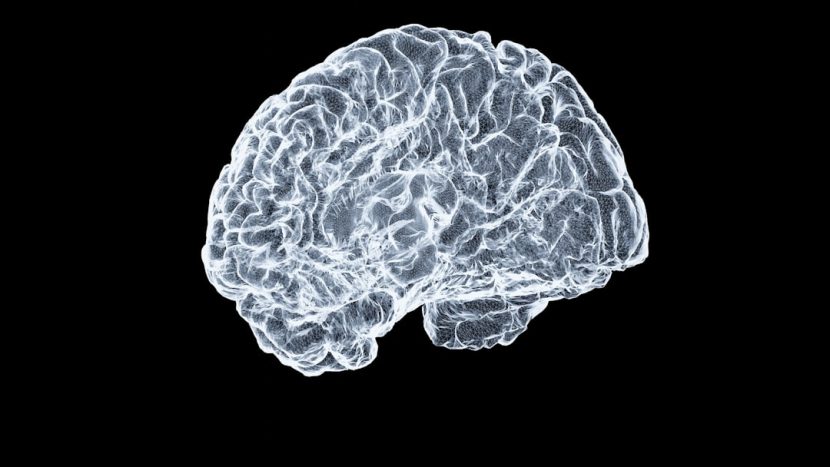
You’re about to place a bet that exceeds your predetermined limit. Your heart races, your palms sweat, and a voice in your head insists this one will pay off. What’s driving this decision isn’t logic—it’s dopamine, a neurotransmitter that shapes every choice involving risk and reward. Understanding how dopamine influences decision-making isn’t just academic curiosity; it’s essential for recognizing addiction patterns and protecting yourself from exploitative systems designed to hijack your brain’s reward circuitry. This article explains the neuroscience behind dopamine’s role in decisions, why certain choices feel irresistible, and what this means for gambling behavior and personal autonomy.
What Is Dopamine and Why Does It Matter for Decisions?
Every time you check your phone for notifications, your brain releases a chemical messenger that shapes whether you’ll repeat that behavior. That messenger is dopamine, a neurotransmitter that fundamentally influences how we make decisions, pursue goals, and learn from our experiences. Far from being simply a “pleasure chemical,” dopamine operates as a sophisticated signaling system that guides behavior through a complex interplay of motivation, prediction, and learning.
The Brain’s Reward Circuit
Dopamine exerts its influence on decision-making primarily through the mesolimbic pathway, often called the brain’s reward circuit. This neural highway connects the ventral tegmental area (VTA) deep in the midbrain to the nucleus accumbens in the striatum. When dopamine neurons in the VTA fire, they release dopamine into the nucleus accumbens, creating the neurological foundation for reward-motivated behavior. This pathway doesn’t work in isolation—it communicates with the prefrontal cortex, where executive functions like planning and impulse control reside, creating a network that weighs potential rewards against risks and consequences.
Research using PET imaging reveals the dramatic power of this system. During gambling activities, problem gamblers show dopamine release in the ventral striatum that increases by 200-300% compared to baseline levels. This surge doesn’t just happen when winning occurs. The anticipation itself triggers substantial dopamine activity, priming the brain to pursue rewards even when the odds are unfavorable.
Beyond Pleasure: Dopamine as a Learning Signal
The most important insight from modern neuroscience is that dopamine functions as a prediction error signal. Rather than simply marking pleasure, dopamine neurons fire when outcomes differ from expectations. When a reward exceeds what you anticipated, dopamine surges, teaching your brain to repeat the behavior. When expected rewards fail to materialize, dopamine dips below baseline, signaling that something went wrong.
This prediction mechanism explains why near-misses in gambling activate the same reward circuitry as actual wins, despite representing losses. The brain interprets these almost-wins as learning opportunities, releasing dopamine and reinforcing continued play. For individuals with altered dopamine receptor availability—studies show problem gamblers have up to 20% reduction in D2/D3 receptor binding—this learning signal becomes distorted, making it harder to accurately assess risk and adjust behavior based on negative outcomes.
The Prediction Error: How Dopamine Drives Learning
The brain’s dopamine system operates less like a simple reward dispenser and more like a sophisticated forecasting mechanism. Rather than merely responding to pleasant experiences, dopamine neurons fire in response to the difference between what we expect and what we actually receive. This prediction error signal forms the foundation of how we learn which behaviors to repeat and which to abandon.
When a reward arrives exactly as predicted, dopamine neurons maintain their baseline firing rate. The brain has already accounted for this outcome, so no learning signal is necessary. But when an unexpected reward appears, dopamine neurons fire rapidly, encoding the surprise as valuable information. Conversely, when an expected reward fails to materialize, dopamine activity dips below baseline, signaling disappointment and prompting behavioral adjustment.
Anticipation vs. Consumption
The timing of dopamine release reveals a critical insight: the brain prioritizes prediction over pleasure. Research demonstrates that dopamine firing occurs 50-100 milliseconds before a reward is actually received, not during consumption. This anticipatory burst drives motivation and action, propelling us toward goals before we’ve obtained them.
This temporal pattern explains why anticipation often feels more intense than the reward itself. A person checking lottery numbers experiences peak dopamine activity in the moments before revelation, not after confirming a win. The neural machinery has already shifted focus to the next prediction, the next opportunity to refine its forecasting model.
Why Uncertainty Amplifies Dopamine Response
Unpredictability supercharges this learning system. When reward probability hovers around 50%, dopamine responses reach their maximum intensity. The brain cannot form a stable prediction, so each outcome delivers maximum surprise value. This neurobiological quirk makes variable-ratio reinforcement schedules extraordinarily powerful.
Gambling environments exploit this mechanism ruthlessly. Slot machines, sports betting, and card games maintain precisely calibrated uncertainty levels that keep dopamine neurons firing at peak rates. The system designed to help our ancestors learn which berry bushes to revisit becomes a vulnerability when confronted with algorithmically optimized reward schedules. Each near-miss, each unpredictable win, and each tantalizing possibility generates prediction errors that strengthen rather than extinguish the behavior.
Dopamine and Probability: The Uncertainty Factor
The dopamine system functions as a sophisticated probability calculator, constantly encoding the likelihood of rewards and adjusting its firing patterns accordingly. When neuroscientists record dopamine neuron activity in the ventral tegmental area, they observe a remarkable phenomenon: these neurons don’t simply respond to rewards themselves, but fire most intensely when outcomes remain uncertain. A 50% probability of winning generates substantially more dopamine release than a guaranteed reward of the same value.
This probabilistic encoding creates a neurochemical foundation for why unpredictability proves so compelling. When researchers compare dopamine responses across different certainty levels, the relationship forms an inverted U-shape. Minimal dopamine release occurs at both extremes—when outcomes are completely certain (0% or 100% probability)—while maximal release happens at intermediate probabilities where uncertainty peaks. The brain essentially becomes most engaged when it cannot predict what will happen next.
Variable ratio reinforcement schedules exploit this uncertainty preference with devastating effectiveness. Unlike fixed schedules where rewards arrive predictably, variable schedules deliver rewards at unpredictable intervals, maintaining dopamine systems in a state of perpetual anticipation. B.F. Skinner demonstrated this in the 1950s with pigeons pecking levers, but the principle applies directly to modern gambling mechanisms. Slot machines, for instance, operate on variable ratio schedules that produce the highest rates of persistent behavior in both laboratory animals and humans.
PET imaging studies reveal that dopamine release in the ventral striatum increases by 200-300% during gambling activities in problem gamblers, with uncertainty amplifying this response. The dopamine system treats unpredictability as inherently valuable information, releasing the neurotransmitter to signal “pay attention—learning opportunity available.” This mechanism evolved to help organisms learn from their environment, but gambling activities hijack it by providing endless uncertainty without meaningful learning outcomes.
When Dopamine Goes Wrong: The Near-Miss Effect and Addiction
The brain’s dopamine system can betray rational decision-making through a remarkable quirk: it releases dopamine for losses disguised as near-wins. This neurological vulnerability transforms the dopamine pathway from a learning tool into a mechanism that reinforces destructive behavior, particularly in gambling contexts where the architecture of games deliberately exploits this biological flaw.
The Near-Miss Phenomenon
A slot machine displaying two cherries when three are needed for a jackpot activates the same reward circuitry as an actual win. Neuroimaging studies reveal that these near-miss outcomes trigger dopamine release in the ventral striatum despite representing objective losses. The brain interprets proximity to a win as valuable information about skill improvement or “almost winning,” even in purely random games. This creates a powerful learning signal that encourages continued play, as the dopamine system mistakes randomness for a pattern worthy of pursuit.
The effect proves particularly insidious because it operates below conscious awareness. Players may intellectually understand they lost, yet their neurochemistry responds as though they gained valuable feedback. This disconnect between cognitive understanding and neurobiological response explains why education alone rarely prevents problem gambling—the dopamine system doesn’t respond to logic.
Receptor Downregulation and Tolerance
Chronic gambling exposure fundamentally alters the brain’s dopamine architecture. Problem gamblers demonstrate approximately 20% reduction in D2/D3 receptor binding in the striatum compared to healthy controls. This receptor downregulation occurs as the brain attempts to compensate for repeated dopamine surges, which can increase by 200-300% during active gambling sessions in affected individuals.
The consequence mirrors other addiction pathways: tolerance develops. What once produced intense pleasure now generates a muted response, requiring increasingly risky bets or longer gambling sessions to achieve the same neurochemical effect. Baseline dopamine levels fall 10-15% below normal ranges in individuals with gambling disorder, creating a state of anhedonia when not gambling. This neurochemical deficit makes everyday pleasures feel hollow, while gambling—despite mounting losses—remains one of the few activities capable of generating dopamine release sufficient to penetrate the diminished receptor availability.
The cycle becomes self-perpetuating. Lower baseline dopamine drives craving for stimulation, gambling provides temporary relief through massive dopamine release, and chronic exposure further reduces receptor density, deepening the neurological trap.
Dopamine Imbalance: Too Much or Too Little
When dopamine signaling strays from optimal levels, decision-making capacity deteriorates in predictable ways. Both excess and deficiency create distinct patterns of dysfunction that profoundly impact how individuals assess risk, process rewards, and learn from outcomes.
Excessive dopamine activity in the mesolimbic pathway drives impulsive decision-making characterized by overvaluation of immediate rewards and underweighting of long-term consequences. This hyperactive state creates a distorted cost-benefit analysis where the anticipated pleasure of an action overwhelms rational evaluation. Conversely, dopamine deficiency produces anhedonia—a diminished capacity to experience pleasure—alongside motivational paralysis that makes even beneficial decisions feel insurmountable.
The clearest evidence of dopamine’s delicate balance emerges from medication-induced impulse control disorders. Parkinson’s disease patients taking dopamine agonist medications provide a compelling natural experiment: while these drugs restore motor function by stimulating dopamine receptors, they simultaneously trigger dramatic behavioral changes in a subset of patients. Research indicates that 14-20% of Parkinson’s patients on dopamine agonists develop impulse control disorders, with pathological gambling being particularly prevalent.
| Dopamine State | Decision-Making Pattern | Observable Behaviors | Neural Mechanism |
|---|---|---|---|
| Excess Signaling | Impulsive, reward-seeking | Pathological gambling, compulsive shopping, hypersexuality | Overactive mesolimbic pathway; exaggerated reward prediction errors |
| Deficiency | Risk-averse, apathetic | Anhedonia, social withdrawal, decision paralysis | Blunted reward response; reduced motivation signals |
| Medication-Induced Excess | Compulsive, repetitive | New-onset gambling despite no prior interest; difficulty stopping despite losses | Artificial dopamine receptor stimulation bypassing natural regulation |
The Iowa Gambling Task demonstrates how dopamine imbalance impairs learning from negative outcomes. Participants select cards from decks with varying risk-reward profiles. Healthy individuals gradually learn to avoid high-risk decks. Those with dopamine dysregulation—whether from Parkinson’s medications or gambling disorder—continue selecting disadvantageous decks despite accumulating losses, revealing a fundamental inability to integrate negative feedback into future choices.
Recognizing Dopamine-Driven Decision Patterns
Your brain releases 200-300% more dopamine during high-stakes decisions than during baseline activity. This surge feels like excitement, confidence, or urgency, but it often masks poor judgment. Learning to recognize these moments can prevent costly mistakes in financial decisions, gambling situations, and other risk-taking behaviors.
Warning Signs of Dopamine Hijacking
Dopamine-driven decisions share identifiable characteristics that differ markedly from rational deliberation. Your decision-making process has likely been compromised when you notice:
- Time distortion: Hours feel like minutes, or you lose track of how long you’ve been engaged in an activity
- Dismissing predetermined limits: Ignoring budgets, time restrictions, or stopping points you set when calm
- Escalating commitment: Increasing stakes or involvement to recapture an initial feeling of excitement
- Selective memory: Vividly remembering wins or successes while minimizing or forgetting losses
- Physical arousal: Elevated heart rate, sweating, or restlessness when unable to engage in the activity
- Justification narratives: Creating elaborate explanations for why “this time is different” or why patterns guarantee success
The Chase Mentality
The “chase” represents dopamine’s most dangerous pattern. This occurs when previous losses or near-misses trigger an overwhelming urge to continue, driven by the brain’s prediction error signals. Your mesolimbic pathway interprets near-misses as “almost winning,” releasing dopamine despite actual losses.
Healthy motivation produces planning, patience, and acceptance of outcomes. Compulsion eliminates these qualities. Ask yourself: Can I stop right now without discomfort? If the answer is no, or if stopping creates anxiety or irritability, dopamine has shifted from helpful motivator to decision-making hijacker. Healthy pursuits enhance other life areas; compulsions diminish them.
Restoring Healthy Dopamine Function and Decision-Making
Neuroplasticity offers genuine hope for individuals whose dopamine systems have been hijacked by addictive behaviors. Research demonstrates that the brain can rebuild healthy reward pathways through targeted interventions, though recovery requires deliberate effort and time.
Evidence-Based Therapeutic Approaches
Cognitive behavioral therapy (CBT) produces measurable changes in dopamine receptor availability. Studies tracking problem gamblers through 12-week CBT programs show normalized activation patterns in the ventral striatum, with participants demonstrating improved impulse control and reduced reactivity to gambling cues. The therapy works by rewiring automatic thought patterns that trigger dopamine surges, replacing them with conscious evaluation processes.
Mindfulness-based interventions target the anticipatory phase of dopamine release. By training individuals to observe cravings without acting on them, these practices weaken the connection between dopamine spikes and impulsive decisions. A 2022 study found that eight weeks of mindfulness training reduced reward prediction errors in the nucleus accumbens by 35%, allowing participants to pause between urge and action.
Practical Steps for Reward System Reset
- Implement a dopamine baseline period: Temporarily eliminate high-stimulation activities (social media, gaming, gambling) for 30 days to allow receptor sensitivity to normalize. This “dopamine fast” helps recalibrate what the brain considers rewarding.
- Structure natural reward exposure: Engage in activities that provide moderate, sustained dopamine release rather than intense spikes. Exercise, creative hobbies, and social connection activate reward pathways without overwhelming them.
- Build trigger awareness: Document situations, emotions, and environments that precede impulsive decisions. Pattern recognition helps identify when dopamine anticipation is driving behavior rather than rational assessment.
- Create friction points: Install deliberate delays before high-risk decisions. A mandatory 24-hour waiting period before financial choices allows prefrontal cortex evaluation to catch up with subcortical dopamine signals.
- Develop decision-making protocols: Use checklists that force systematic analysis. Write down expected outcomes, probability assessments, and potential losses before committing to decisions involving uncertainty or reward.
These interventions work best when combined, addressing both the neurobiological substrate and the behavioral patterns that maintain dopamine dysregulation.
Moving Forward: Knowledge as Protection
Dopamine is neither villain nor hero—it’s a sophisticated learning system that evolved to help us survive, but one that can be exploited by activities engineered to maximize engagement. Understanding how dopamine shapes your decisions doesn’t eliminate its influence, but it creates the cognitive space necessary for conscious choice. The same prediction error signals that make gambling so compelling can be redirected toward constructive goals when you recognize the mechanism at work.
Approximately 1-3% of adults struggle with gambling disorder rooted in dopamine dysregulation, but many more experience subclinical patterns of dopamine-driven impulsivity that compromise financial security and well-being. The neuroscience is clear: awareness alone won’t override a hijacked reward system, but it’s the essential first step. Therapeutic interventions—particularly cognitive behavioral therapy and mindfulness training—demonstrate measurable success in restoring balanced dopamine function.
If you recognize problematic patterns in your own decision-making, particularly around gambling or other high-stimulation activities, professional help is available and effective. The National Council on Problem Gambling offers confidential support at 1-800-522-4700. Your brain’s neuroplasticity means change is possible at any stage. Understanding dopamine’s role empowers you to reclaim decision-making authority from automatic neurochemical impulses, transforming awareness into action.